
 R.C
R.C If you’ve ever watched a Korean reality show and felt that it was nothing like Western programs, it’s not your imagination.
Even though the format may seem similar — competitions, eliminations, judges — the experience they deliver is completely different.
In Korean reality shows, not everything revolves around scandal, humiliation, or exaggerated drama. There is respect, silent pressure, intense emotions, and a very particular way of experiencing competition, success, and failure.
Programs such as Culinary Class Wars, Physical: Asia, or Just Makeup clearly show that behind these formats there are deep cultural values that go beyond television and extend into K-pop, K-dramas, and everyday life in South Korea.
In this article, we explore why Korean reality shows are so different from Western ones and what they reveal about Korean culture.
Competition in Korea is not treated as a spectacle
In many Western reality shows, competition is primarily designed as entertainment. Conflict, arguments, rivalries, and emotional exaggeration play a central role in the show. Winning matters, but creating drama often matters more.
In South Korea, competition is experienced differently. Competing does not mean destroying others or standing out at the expense of someone else’s failure, but rather demonstrating effort, discipline, and respect for one’s craft and for fellow participants.
That is why Korean reality shows rarely feature open humiliation, constant mockery, or personal attacks. Tension exists, but it is internal. The focus is on the process, the personal journey, and the emotional weight of being publicly evaluated, knowing that failure is not amusing, but painful.
GET THE HOTTEST 2026 K-BEAUTY TRENDS DELIVERED STRAIGHT TO YOUR DOOR! 📦 ENJOY FREE SHIPPING ON ORDERS OVER $60 SHOPPING AT KOREA’S #1 BEAUTY STORE. DON’T MISS OUT ON THE SALES AND OFFERS, THEY ARE TRULY INSANE! SHOP HERERespect and hierarchy as invisible rules
One of the elements that most clearly differentiates Korean reality shows from Western ones is the importance of respect and hierarchy. In Korean culture, age, experience, and social role deeply influence how people interact with one another.
This is clearly reflected in competition-based programs. Participants often show deference to those they consider more experienced, whether judges, mentors, or competitors with longer careers. Interrupting, discrediting, or confronting someone directly is uncommon, as it is socially perceived as disrespectful.
Even silence carries communicative value. Pauses, looks, and restrained gestures often speak as loudly as words. This more subtle form of communication may feel unfamiliar to Western audiences, but it aligns perfectly with Korean cultural codes.
Psychological pressure: winning matters, but failing matters more
In Korean reality shows, pressure is not built through verbal confrontation, but through fear of failure. Failing publicly does not only mean losing a competition; it also means feeling that one has disappointed others — teammates, mentors, family members, or even the audience.
This emotional burden is visible across many programs. Participants often experience each challenge as a full evaluation of their personal and professional worth. As a result, emotional reactions tend to be intense and genuine.
Unlike in Western television, where crying is often associated with weakness or excessive dramatization, in Korea crying is an accepted way of releasing emotional pressure. It is not seen as shameful, but as human.
Different formats, the same cultural values
Although the formats may differ, the underlying values are often the same.
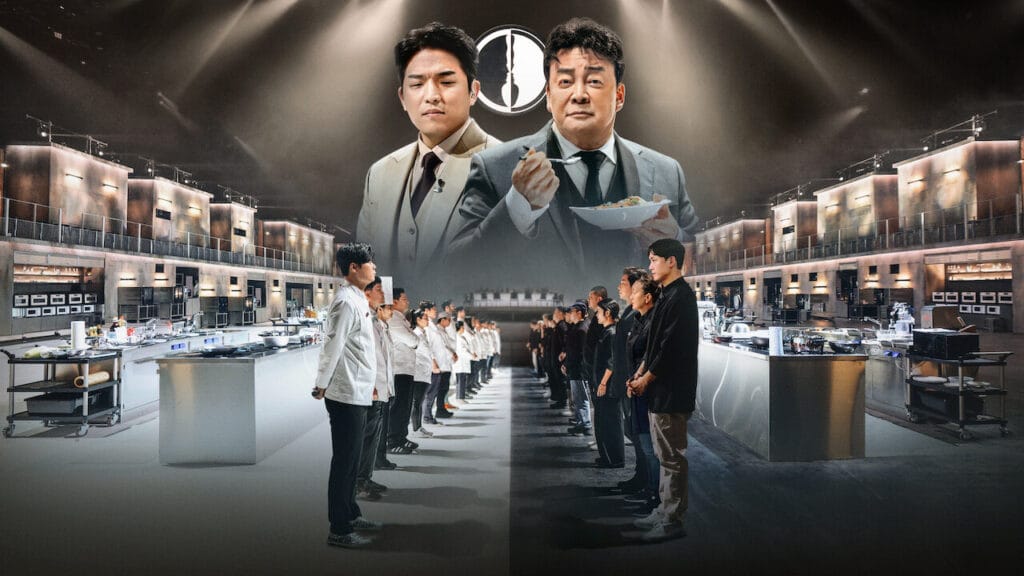
In Culinary Class Wars, culinary competition is only the surface. What is truly at stake is professional trajectory, pride in one’s craft, and the weight of proving years of effort on a public stage.
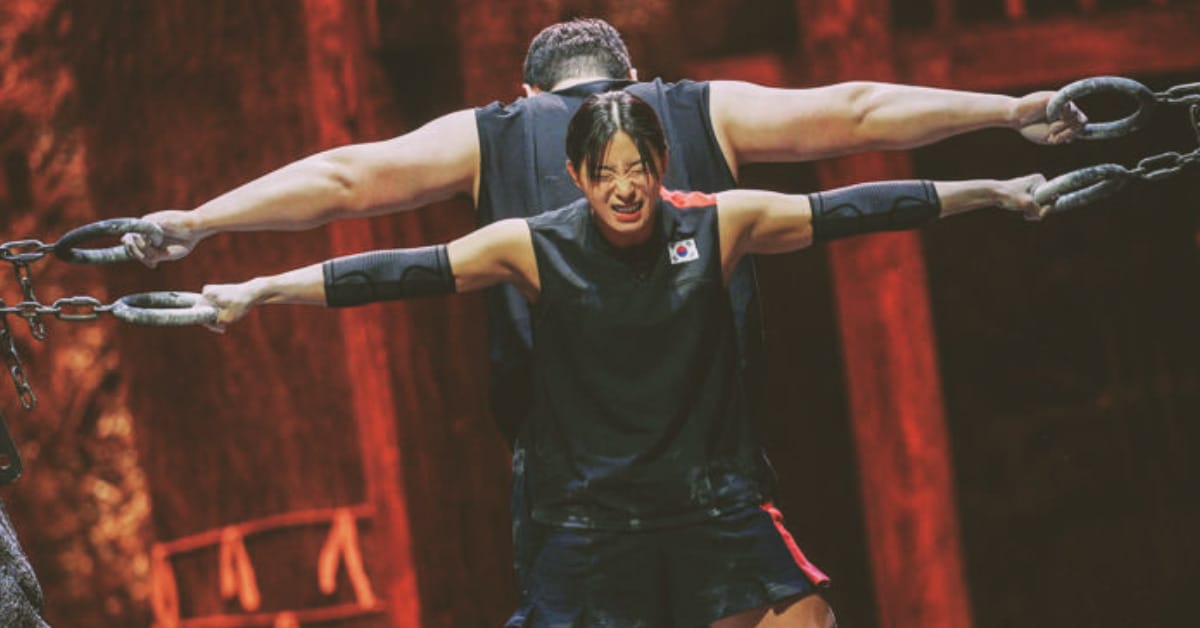
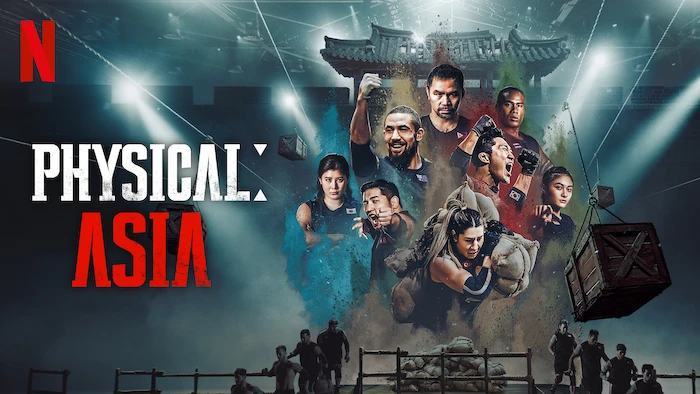
In Physical: Asia, the focus is on physical and mental endurance, but also on respect among competitors. Even in extreme challenges, rivalry does not turn into open humiliation.
Meanwhile, Just Makeup shows how even in a creative and aesthetic field, competition is approached with seriousness, self-discipline, and deep respect for the profession and for those who share the same path.
These examples make it clear that whether the focus is cooking, physical strength, or makeup, the core values remain the same: effort, discipline, and personal responsibility.
What Korean reality shows reveal about Korean culture
Korean reality shows function as a cultural window. Through them, it is possible to observe how Korean society values hard work, consistency, and continuous self-improvement.
The idea of “doing your best” is not an empty slogan, but a real expectation. Success is built through sacrifice, and recognition comes only after demonstrating commitment and respect for the process.

YOU CAN ALSO READ Culinary Class Wars 2 Chefs’ Restaurants: Where to Taste Their Dishes
These same values appear across other aspects of Hallyu, such as the intense and demanding training of K-pop idols, the narratives found in many K-dramas, and the way professional success is portrayed in South Korea.
Why these shows connect with global audiences
Despite cultural differences, Korean reality shows resonate strongly with audiences around the world. This is because they portray real emotions, human stories, and internal struggles that anyone can relate to.
Instead of relying on artificial drama, these programs generate empathy through authenticity. The viewer does not simply watch a competition, but follows real people as they face their own limits.
Perhaps that is why those who begin watching Korean reality shows often realize that they no longer see them as mere entertainment, but as a different way of understanding effort, failure, and success.
❓ FAQs – Korean reality shows and the culture of competition
1. Why do Korean reality shows feel so different from Western ones?
Because they are built on different cultural values.
In South Korea, competition tends to focus on personal effort, discipline, and respect, while in many Western reality shows conflict and explicit drama play a central role in entertainment. This cultural difference is clearly reflected in the tone and narrative of the programs.
2. Is there less conflict between participants in Korean reality shows?
It’s not that conflict does not exist, but that it is expressed in a more restrained way.
Disagreements often appear through silence, emotional tension, or self-criticism rather than open arguments or verbal confrontations. This aligns with cultural norms of respect and hierarchy deeply rooted in Korean society.
3. Why do participants cry so often in Korean reality shows?
In Korean culture, crying is not perceived as weakness, but as a legitimate way to release emotional pressure.
Reality shows depict intense self-demand, and tears often emerge in response to stress, fear of failure, or relief after overcoming a challenge — all of which are socially accepted in Korea.

4. What makes Culinary Class Wars different from other cooking reality shows?
Beyond culinary competition, the show focuses on professional trajectory, pride in craftsmanship, and the pressure of representing years of experience in front of peers and judges.
The respect between participants and the seriousness of each evaluation clearly set it apart from many Western formats.
5. Is Physical: Asia just a physical strength competition?
No. While physical performance is central, the program also highlights mental resilience, strategy, and respect among competitors.
Even in extreme challenges, the tone remains one of mutual recognition and sportsmanship, consistent with cultural values found in many Korean reality shows.
6. What does Just Makeup reveal about Korean culture?
The program reflects professional self-discipline and respect for creative work.
Makeup is not presented merely as aesthetics, but as a discipline requiring technique, practice, and responsibility — values deeply rooted in Korean work culture.
7. Where can these Korean reality shows be watched legally?
Many of the most popular Korean reality shows are available on Netflix, which has strongly invested in this type of content.
Availability may vary by country, but Netflix is generally the main international platform, followed by Amazon Prime and Viki.
8. What other Korean reality shows help explain this culture?
In addition to Guerra de Cucharas, Physical: Asia, and Just Makeup, other Korean reality shows reflect similar cultural values such as respect, discipline, self-demand, and emotional pressure.
Physical: 100
A physical competition show where athletes and professionals test their strength and endurance, notable for mutual respect and the seriousness of each elimination.
Single’s Inferno
Although a dating reality show, it clearly reflects Korean cultural norms such as emotional restraint, interpersonal respect, and the importance of social image.
The Devil’s Plan
A strategy-based program where direct conflict is replaced by analysis, planning, and self-control.
Hyori’s Bed & Breakfast
A reality show focused on daily life and coexistence, offering insight into soft hierarchies and relationship-building in a relaxed environment.
Although very different in format, these programs share narratives where personal process, respect, and internal pressure outweigh open confrontation, offering a deeper look into Korean culture.
9. Do these values also appear in K-pop and K-dramas?
Yes. The culture of effort, hierarchy, and fear of failure runs throughout Hallyu.
K-pop idol training, stories of perseverance in K-dramas, and the seriousness seen in reality shows all stem from the same cultural foundation.
10. Why do Korean reality shows connect so strongly with international audiences?
Because they portray real emotions and authentic human processes.
Rather than relying on artificial drama, these programs allow viewers to empathize with real people facing pressure, expectations, and personal limits — something universal beyond cultural differences.

Mark Lee Leaves NCT and SM Entertainment After 10 Years
The Comeback of the Century! Everything About BTS’s “Arirang”, the March 21 Concert, and Their Global Impact

Why Did BTS Name Their New Album Arirang? The Secret Behind the Meaning of Its 14 Songs
BTS and The Deep Historical Meaning Behind Their Mega Concert in Gwanghwamun
“The King’s Warden”: The Box Office Smash Hit That Sparked an Unusual Digital Revenge in Korea
맞아요! 저도 그렇게 느껴져요, 한국 예능은 정말 독특하잖아요.
맞아요! 😍💫